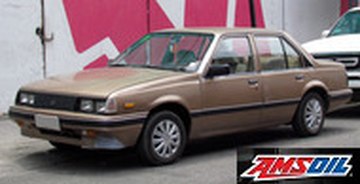
Engine Oil Maintenance for the 1983 Isuzu I-MARK 1.8L
Maintaining proper lubrication is one of the most critical aspects of preserving the longevity and operational integrity of your vehicle's engine. For owners of a 1983 Isuzu I-MARK with the 1.8L engine, consistent attention to oil health ensures that internal components remain properly lubricated and cooled during operation.
When should I change the oil in my 1983 Isuzu I-MARK 1.8L?
To determine the correct interval for an oil change, you should follow the owner's manual or the manufacturer maintenance schedule provided for your specific vehicle. Do not rely on estimated mileage or timeframes, as the official documentation contains the necessary guidance for your engine.
Understanding Engine Oil Functions
Engine oil serves several vital roles within the 1.8L engine. Primarily, it creates a thin film between moving metal parts to prevent direct contact, which reduces friction and wear. Beyond lubrication, the oil helps to carry heat away from high-temperature areas like pistons and cylinder walls, assisting the cooling system in maintaining stable operating temperatures.
Additionally, oil acts as a cleaning agent by suspending microscopic contaminants, such as soot or combustion byproducts, and carrying them to the oil filter. It also provides a level of protection against corrosion by coating internal metal surfaces, which helps prevent moisture and acids from damaging engine components over time.
The Importance of Viscosity Selection
Viscosity refers to a fluid's resistance to flow. Selecting an oil with the correct viscosity is essential for ensuring that the lubricant can reach critical engine components quickly during a cold start and maintain a stable film thickness when the engine reaches operating temperature. For this 1983 Isuzu I-MARK, the database allows for the use of 10W-30.
Using an oil that is too thick may prevent immediate lubrication upon startup, while an oil that is too thin might not provide sufficient protection under high-temperature operating conditions. Always verify that any lubricant you select aligns with the requirements established by the manufacturer for your specific engine configuration.
Monitoring Oil Levels and Condition
Regularly checking the oil level using the engine's dipstick is a fundamental maintenance task. Low oil levels can lead to increased friction, overheating, and potential mechanical failure. Checking the level should be done when the vehicle is parked on level ground and the engine is in a state consistent with your owner's manual instructions (typically either cold or after having sat for several minutes).
In addition to checking the quantity, observe the physical condition of the oil. While some discoloration is normal due to the accumulation of contaminants, extremely dark, gritty, or milky-looking oil can be an indicator that the oil has reached the end of its service life or that other mechanical issues are present. If you notice a significant drop in oil levels between checks, it may indicate a leak or internal consumption that requires inspection.
The Role of the Oil Filter
An oil change is not complete without replacing the oil filter. The filter is designed to trap particulates that have been suspended in the oil. As a filter becomes saturated with contaminants, its ability to clean the oil diminishes. In some designs, a bypass valve may open to ensure the engine still receives lubrication even if the filter is clogged, but this means unfiltered oil is circulating through your engine, which increases wear.
Replacing the filter during every oil service ensures that the new oil enters a clean environment, maximizing its effectiveness and extending the period of cleanliness for the fresh lubricant. Always ensure the filter is seated correctly to prevent leaks.
Identifying Potential Oil Leaks
External oil leaks can lead to low oil levels and environmental contamination. Common areas where leaks may occur include gaskets, seals, and the oil pan. If you notice oil spots on your driveway or a distinct smell of burning oil while driving, it is important to inspect the engine compartment.
Small seeps are common in older vehicles, but active drips or significant puddles should be addressed promptly. Maintaining a clean engine bay can also make it easier to spot new leaks as they develop. Addressing leaks early helps prevent the loss of lubrication and protects other vehicle components from oil spray.
BUYING ENGINE OIL
When you are ready to purchase lubricant for your 1983 Isuzu I-MARK, focus on finding products that meet the specifications required for your engine. Check the labels of available oils to ensure they match the 10W-30 viscosity allowed for this application. It is helpful to consult with automotive parts specialists or refer to the product documentation to confirm that the oil meets the necessary standards for your vehicle's age and engine type.